

Journal
Chartering: What the Week Really Costs
The weekly rate is only the opening bid — what a superyacht charter actually costs, and how to sign the contract without surprises.
First published December 2016 · updated March 2021 · revised July 2026
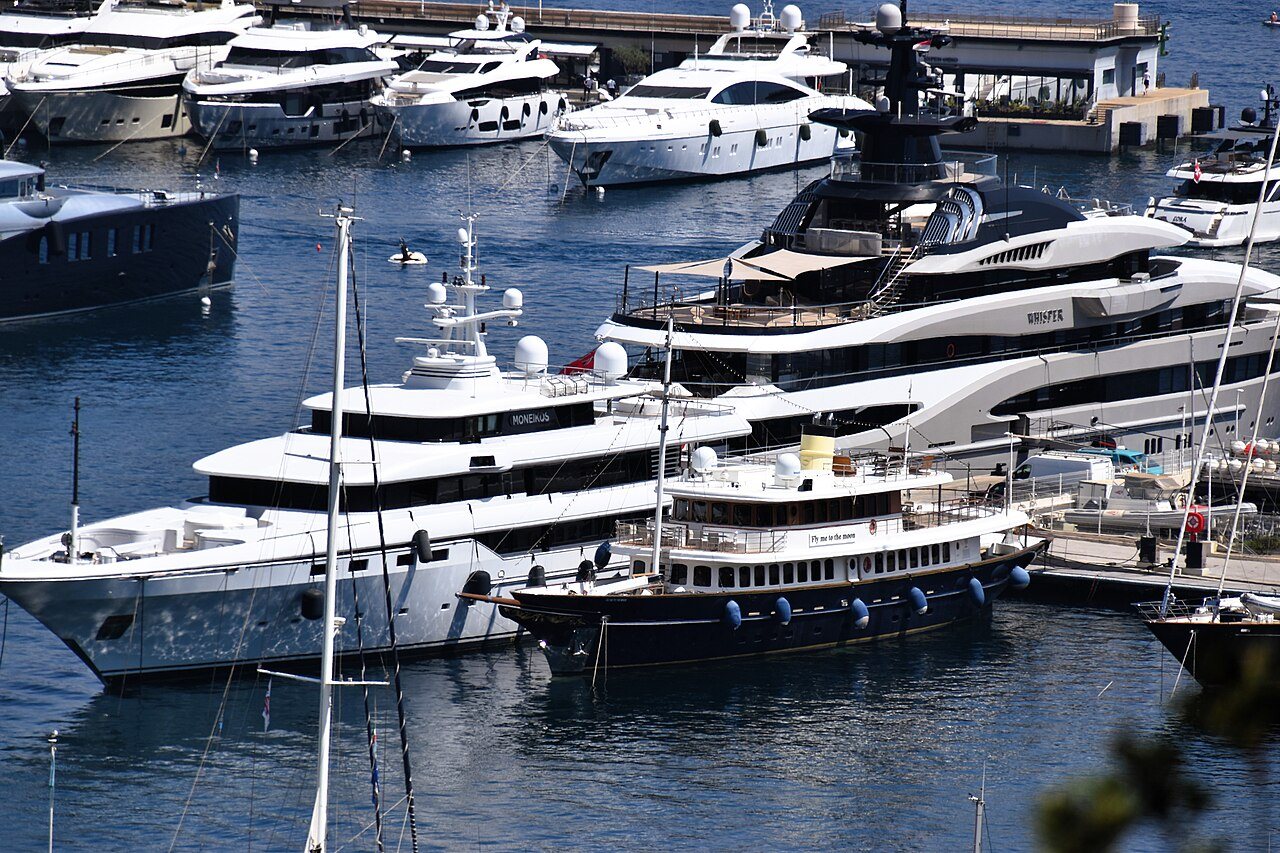
Nobody needs a superyacht for a week. That is precisely the appeal. For a fraction of what she costs her owner to keep each year, you get the run of a vessel with a crew who learned your coffee order before you boarded, and a coastline rearranged for your convenience. The owner takes the depreciation, the refit bills and the flag-state paperwork; you take the sundeck. It remains one of the great asymmetric trades in luxury — provided you understand what you are actually signing.
What the money buys
A crewed superyacht in the 30-to-45-metre class currently runs roughly $150,000 to $300,000 a week. Below that, a well-kept 24-metre with four cabins can still be had for under six figures. Above it, the ceiling simply disappears: the trophy names command north of $1 million a week and are booked out a year in advance for July and August, when the Gulf of Saint-Tropez turns into a car park with tenders.
That headline figure covers the yacht, her crew, their food and the insurance. It covers almost nothing else.
The APA, or the second invoice
Everything you consume — fuel, provisions, wine, berthing, the petrol the jet skis drink — comes out of the Advance Provisioning Allowance, paid up front on top of the charter fee. On a motor yacht, budget 30 to 40 per cent of the base rate; sailing yachts burn less and get away with 20 to 25. The captain accounts for every euro and returns what you don't spend. Overspend, and he will ask — politely, mid-cruise — for a top-up.
Then add VAT at the local rate, 20-odd per cent across much of the Mediterranean, and the customary crew gratuity of 10 to 15 per cent. Your $200,000 week is, in truth, a $300,000 week. None of this is hidden. But a broker who leaves it until the second phone call is telling you something about himself.
Read the contract like an owner
Most reputable charters run on the MYBA form, the industry-standard contract, and there is no good reason to accept anything looser. The advice from this article's first edition, a decade ago, survives intact: get every promise in writing before money moves. Specifically:
- Cancellation and force majeure terms — what happens to your deposit if the yacht breaks down, changes hands or gets arrested (it happens more than the brochures admit).
- The agreed cruising area, and who pays delivery and redelivery if you want her positioned somewhere she isn't.
- Guest numbers. Most yachts are certified for twelve overnight guests regardless of size — a rule of maritime law, not of hospitality — and a broker who shrugs at a thirteenth is a broker to avoid.
- What the water toys, the diving and the beach-club extras actually cost, and whether they sit inside the APA.
Charter the crew, not the brochure
Yacht photography is commissioned by owners and lies accordingly. What separates a good week from a merely expensive one is almost never the marble; it is the captain who knows which bay empties after six o'clock and the chef who can do something serious with what the fisherman brought alongside that morning.
A great crew on a decent boat beats a decent crew on a great boat, every week of the season.
So interrogate the broker. Have they stepped aboard this yacht, this season, with this crew? Crews turn over; last year's glowing review may describe eight people who have since scattered across the fleet. Ask to see recent client feedback, and if you can, talk to someone who has chartered her. Fellow charterers are refreshingly candid — they paid full price and have no commission to protect.
Finally, match the boat to the trip. A fishing week wants a different hull, crew and budget than a Monaco Grand Prix berth or a slow run down the Dalmatian coast. The most common charter mistake is not overpaying; it is paying handsomely for the wrong boat. Decide what the week is for, then let the shortlist follow.