
Journal
How to Buy a Yacht
The market has swung to the buyer for the first time in years — here is how to press the advantage without buying someone else's mistake.
First published December 2016 · updated March 2021 · revised July 2026
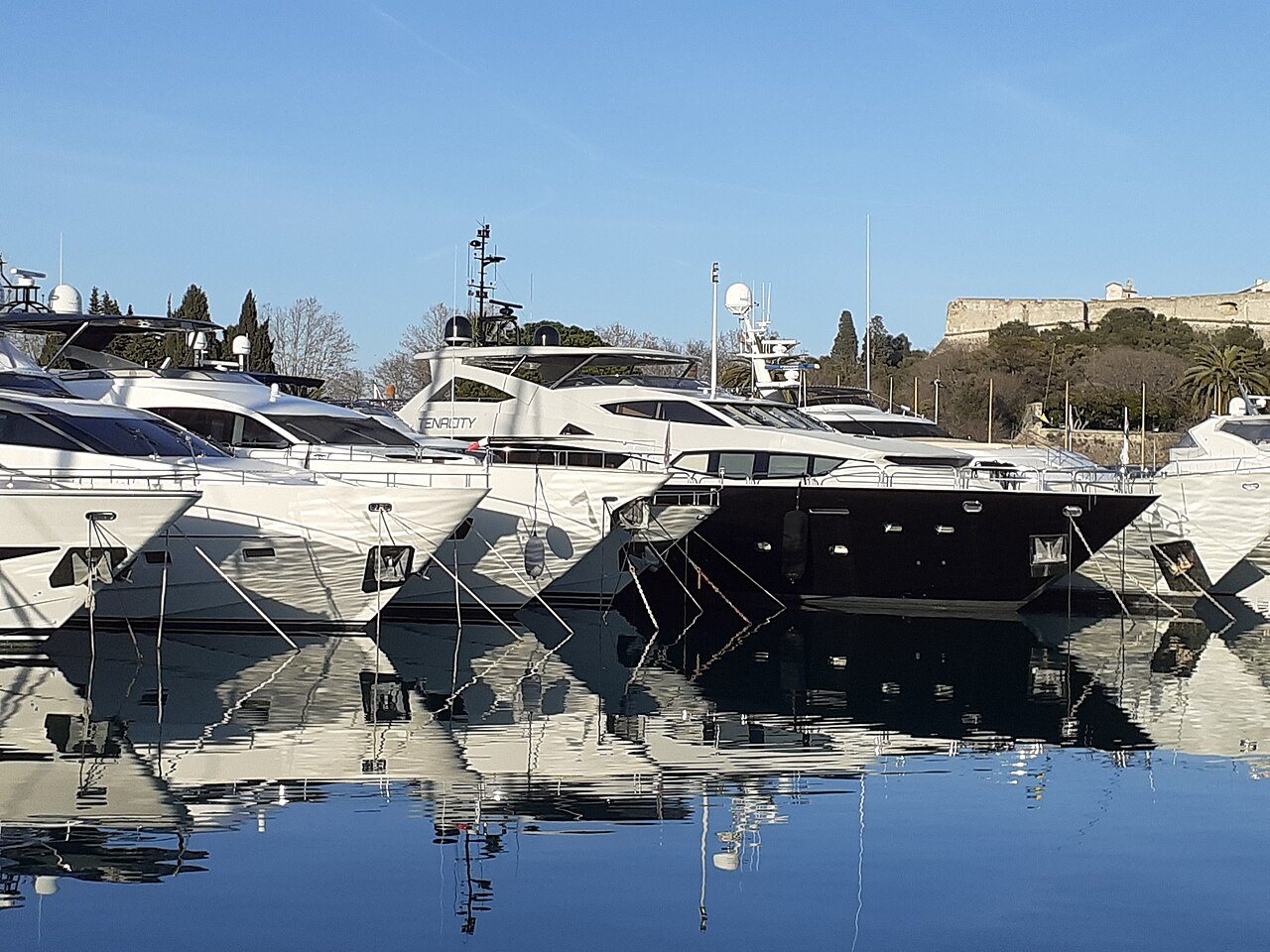
Buying a yacht is the most enjoyable large transaction a person can make, which is precisely why so many get it wrong. The boat is seductive, the champagne at the show is cold, and the phrase “she’s the only one like her on the market” has separated more men from their money than roulette. The good news: for the first time in years, the leverage is yours.
A buyer's market, with an asterisk
Inventory over 30 metres is up, asking prices have settled back roughly seven per cent to pre-2023 levels, and sellers absorbed over a billion dollars in price cuts across 2025 alone. More yachts are listed than sell. That is negotiating power, and you should use it. The asterisk: quality is uneven. The genuinely good boats — well-maintained, well-specced, sensibly priced — still trade quickly, and the sweet spot everyone is fighting over is the 2020–2023 build: modern systems and interiors without the new-build premium or the three-year yard wait. Move decisively on those; take your time on everything else, because everything else can wait for you.
Decide what the boat is for before deciding which boat
This sounds obvious and is ignored constantly. How many guests, realistically — not the twelve of your imagination but the six of your actual life? Med summers or genuine ocean legs? Will she charter to offset costs, in which case commercial coding, crew cabins and charter-friendly layout stop being details and become the whole question? A boat bought for the wrong life gets used four days a year, and unused yachts are the saddest and most common sight in any marina.
Pedigree matters more here than in almost any other asset. Yachts from the top northern European yards hold value in a way that lesser builds simply do not; the discount on an unknown builder is real, and so is the reason for it. Shop the boat shows, yes — Monaco, Fort Lauderdale — but treat them as reconnaissance, not a point of sale.
Never skip the survey. Never.
Once terms are agreed you will sign a memorandum of agreement — the MYBA form is the industry standard — and lodge a 10 per cent deposit in escrow, with the deal conditional on survey and sea trial. The survey is not a formality; it is the entire point. A proper pre-purchase survey on a superyacht, including haul-out and machinery inspection, costs real money and is the best money in the whole transaction. Osmosis, tired generators, a main-engine rebuild lurking two hundred hours out — each is a six- or seven-figure conversation, and you want to have it before completion, as a renegotiation, not after, as a grief.
The seller's broker will tell you she is turn-key. The surveyor is the only person on the dock paid to disagree.
Paperwork gets the same rigour: clean title, no liens, VAT status documented — a yacht without VAT paid or properly accounted for in the EU is a materially different asset — and flag and ownership structure resolved with a maritime lawyer before funds move, not after.
The purchase price is the entry fee
The number that should govern your decision is not the asking price but the running cost. The old rule of thumb — 10 per cent of the yacht's value per year, every year — remains the polite fiction; for a fully crewed 40–60 metre operation the realistic planning figure is 12 to 15 per cent of purchase price annually. Crew is the dominant line at 30 to 40 per cent of the budget, then maintenance, insurance, berthing and fuel in roughly that order. A €20 million yacht is a €2.5–3 million a year commitment before you have gone anywhere. Buy the boat whose annual bill you can pay without noticing, and ownership stays what it should be: a pleasure.
Then go boating
Do all of the above and the actual moment of purchase becomes almost anticlimactic — a wire transfer, a signature, a flag change. What follows is the point of the whole exercise. The owners who enjoy their yachts most are not the ones who bought the biggest or negotiated the hardest. They are the ones who bought the right boat for the life they actually lead, at a price the market — finally — was willing to concede.